


How To Identify Load A Bearing Wall
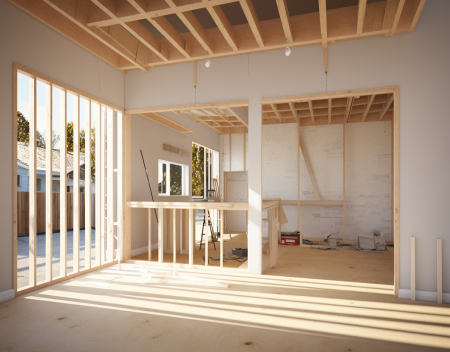
Hey there! Today, we’re going to talk about load-bearing walls and how you can tell if a wall is load-bearing in your home. Load-bearing walls are the ones that support the weight of the roof or floors above them. They are usually made of concrete, masonry, or steel. On the other hand, non-load-bearing walls do not support any weight and can be made of wood or drywall.
So how do you know if a wall is load-bearing? Here are some signs to look for:
- If there are openings like doors, windows, or vents on the wall, it is likely that it is not load-bearing because these openings weaken the structural integrity of the wall. For example, if you have a window on a load-bearing wall, it means that the weight of the roof or floors above will be distributed to the adjacent walls and columns, rather than directly on the window.
- If you see any horizontal beams, such as a beam at the top of the wall, it could be a sign that the wall is load-bearing. These beams are called girders or lintels and they support the weight above them. For example, if you have a girt under the roof of your home, it means that the weight of the roof is being supported by that girt, and therefore the walls surrounding it need to be load-bearing to support the weight of the roof.
- You may also find studs or joists on the wall. These are horizontal beams that hold up the floor or roof above. If you see these, it could be an indication that the wall is load-bearing. For example, if you have a joist running through the middle of a room, it means that the weight of the floor above is being supported by that joist, and therefore the walls surrounding it need to be load-bearing to support the weight of the floor.
- Another way to tell if a wall is load-bearing is by checking its thickness. Load-bearing walls tend to be thicker than non-load-bearing walls because they need to support more weight. For example, if you have a brick wall in your home, it could be a sign that the wall is load-bearing because bricks are known for their strength and can support a significant amount of weight.
- Lastly, you can consult with a professional, such as a structural engineer or contractor, to determine if a wall is load-bearing or not. They will have the expertise and knowledge to properly assess the wall’s structure and give you an accurate answer. For example, if you are planning on making changes to your home, such as adding a new room or renovating an existing one, it’s crucial to know which walls can support the weight of the new addition or renovation project, and which ones cannot. A structural engineer can help you determine the best course of action and ensure that your home is safe and structurally sound.
In conclusion, identifying load-bearing walls is important for any homeowner who plans on making changes to their house. It’s crucial to know which walls can support the weight of a new addition or renovation project, and which ones cannot. Remember to always consult with a professional before making any structural changes to your home. Thanks for watching!
Hey there! Today, we’re going to talk about load-bearing walls and how you can tell if a wall is load-bearing in your home. Load-bearing walls are the ones that support the weight of the roof or floors above them. They are usually made of concrete, masonry, or steel. On the other hand, non-load-bearing walls do not support any weight and can be made of wood or drywall.
So how do you know if a wall is load-bearing? Here are some signs to look for:
- If there are openings like doors, windows, or vents on the wall, it is likely that it is not load-bearing because these openings weaken the structural integrity of the wall. For example, if you have a window on a load-bearing wall, it means that the weight of the roof or floors above will be distributed to the adjacent walls and columns, rather than directly on the window.
- If you see any horizontal beams, such as a beam at the top of the wall, it could be a sign that the wall is load-bearing. These beams are called girders or lintels and they support the weight above them. For example, if you have a girt under the roof of your home, it means that the weight of the roof is being supported by that girt, and therefore the walls surrounding it need to be load-bearing to support the weight of the roof.
- You may also find studs or joists on the wall. These are horizontal beams that hold up the floor or roof above. If you see these, it could be an indication that the wall is load-bearing. For example, if you have a joist running through the middle of a room, it means that the weight of the floor above is being supported by that joist, and therefore the walls surrounding it need to be load-bearing to support the weight of the floor.
- Another way to tell if a wall is load-bearing is by checking its thickness. Load-bearing walls tend to be thicker than non-load-bearing walls because they need to support more weight. For example, if you have a brick wall in your home, it could be a sign that the wall is load-bearing because bricks are known for their strength and can support a significant amount of weight.
- Lastly, you can consult with a professional, such as a structural engineer or contractor, to determine if a wall is load-bearing or not. They will have the expertise and knowledge to properly assess the wall’s structure and give you an accurate answer. For example, if you are planning on making changes to your home, such as adding a new room or renovating an existing one, it’s crucial to know which walls can support the weight of the new addition or renovation project, and which ones cannot. A structural engineer can help you determine the best course of action and ensure that your home is safe and structurally sound.
In conclusion, identifying load-bearing walls is important for any homeowner who plans on making changes to their house. It’s crucial to know which walls can support the weight of a new addition or renovation project, and which ones cannot. Remember to always consult with a professional before making any structural changes to your home. Thanks for watching!