


Does a hardwood flooring patch require the whole room to be sanded?
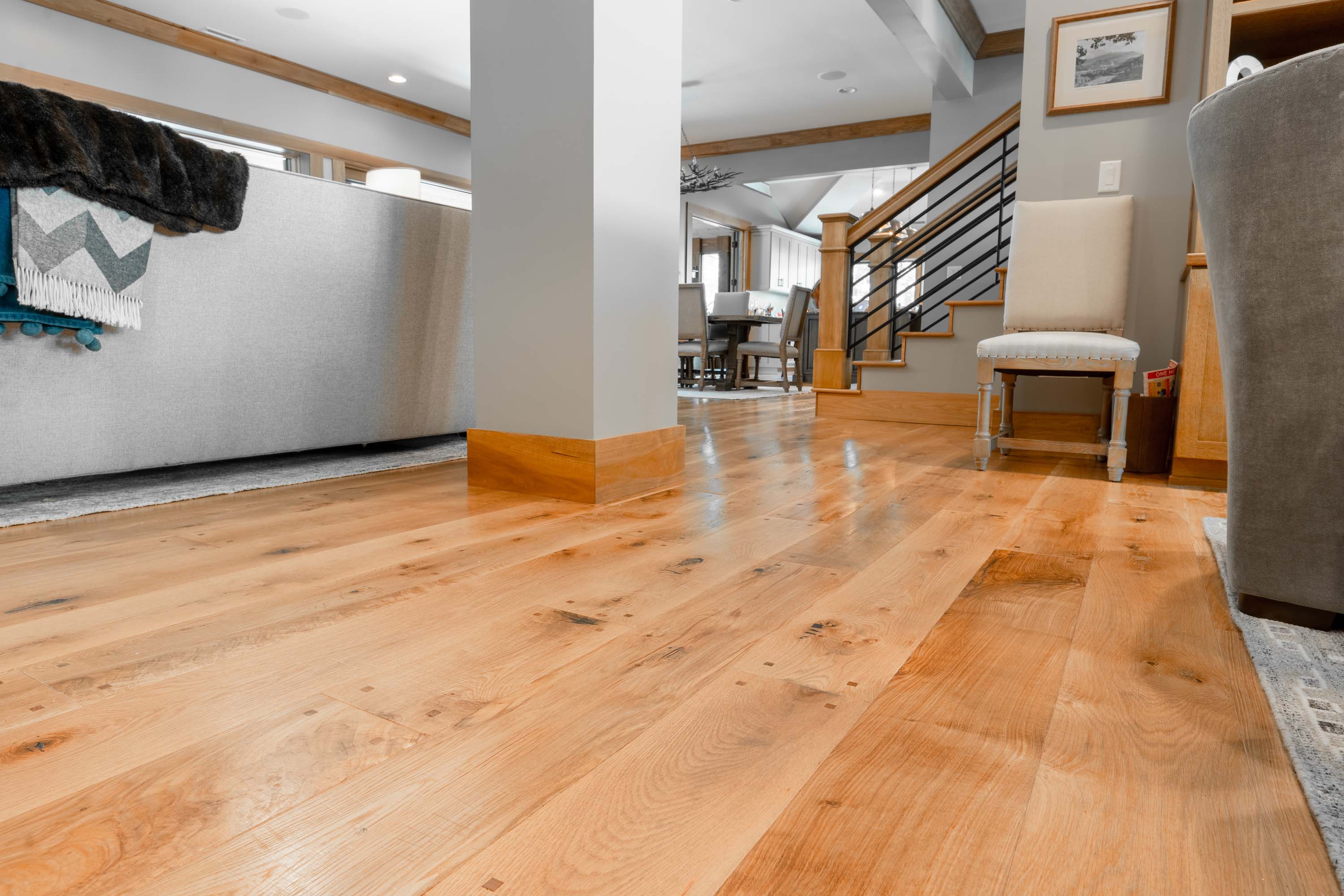
I’m looking for someone to fix holes in my floor from radiators. They’re going to cut out the boards with holes in them and replace those. One says they can’t sand them unless they sand the whole floor and it’ll be a little higher and different color. Others say they’ll sand it and it’ll look more or less like new. Who’s right?
Question from user user176121 at stackexchange
Answer:
"Sand the whole floor" is your default old-school flooring guy approach to anything with a hardwood floor. Because they'll be starting with an incredibly coarse grade of sandpaper to grind wood quickly, it's hard to blend, and they don't want to bother to take the time to just sand a couple of boards and slow down/stop when they become level with the rest of the floor, so they just grind the whole floor to a new lower level.
It provides a very consistent "look" but it also spends the remaining life (board thickness) of the rest of the floor if it's not otherwise in need of a sanding.
Spot-sanding a few boards, slower, with finer grit, and blending take more care, and despite that might also result in less cost to the homeowner, so you can see where the "less fuss, make more money" math favors the wholesale approach for those guys.
New boards will start out thicker as they haven't been partly sanded down over the years as your existing floorboards most likely have. Your folks taking only those down to the point of blending have several options, including doing some bulk reduction by measuring the surrounding boards and thinning the new ones before they even install them. That might imply a different toolset as well as a different mindset. On the floor, they might work with a smaller and more easily controlled sander and finer grits to get the new boards to blend, and then spot finish the area.
Spot-finishing will always show up to a casual glance when it's first done, (because the new spot is shiny and the rest of the floor has been lived-with) but soon settles back to something you would only be able to notice if you were looking for it, specifically, if it's well done. The new spot gets lived with too, and becomes less obvious. Ask to see examples (pictures, at least) of their previous work. At some point when the whole floor needs it, you can always do the complete sand and refinish routine, later.
Answer from user Ecnerwal at stackexchange
I’m looking for someone to fix holes in my floor from radiators. They’re going to cut out the boards with holes in them and replace those. One says they can’t sand them unless they sand the whole floor and it’ll be a little higher and different color. Others say they’ll sand it and it’ll look more or less like new. Who’s right?
Question from user user176121 at stackexchange
Answer:
"Sand the whole floor" is your default old-school flooring guy approach to anything with a hardwood floor. Because they'll be starting with an incredibly coarse grade of sandpaper to grind wood quickly, it's hard to blend, and they don't want to bother to take the time to just sand a couple of boards and slow down/stop when they become level with the rest of the floor, so they just grind the whole floor to a new lower level.
It provides a very consistent "look" but it also spends the remaining life (board thickness) of the rest of the floor if it's not otherwise in need of a sanding.
Spot-sanding a few boards, slower, with finer grit, and blending take more care, and despite that might also result in less cost to the homeowner, so you can see where the "less fuss, make more money" math favors the wholesale approach for those guys.
New boards will start out thicker as they haven't been partly sanded down over the years as your existing floorboards most likely have. Your folks taking only those down to the point of blending have several options, including doing some bulk reduction by measuring the surrounding boards and thinning the new ones before they even install them. That might imply a different toolset as well as a different mindset. On the floor, they might work with a smaller and more easily controlled sander and finer grits to get the new boards to blend, and then spot finish the area.
Spot-finishing will always show up to a casual glance when it's first done, (because the new spot is shiny and the rest of the floor has been lived-with) but soon settles back to something you would only be able to notice if you were looking for it, specifically, if it's well done. The new spot gets lived with too, and becomes less obvious. Ask to see examples (pictures, at least) of their previous work. At some point when the whole floor needs it, you can always do the complete sand and refinish routine, later.
Answer from user Ecnerwal at stackexchange