


Can I use just split units for winter heating if I have mini splits and hydronic base board heaters?
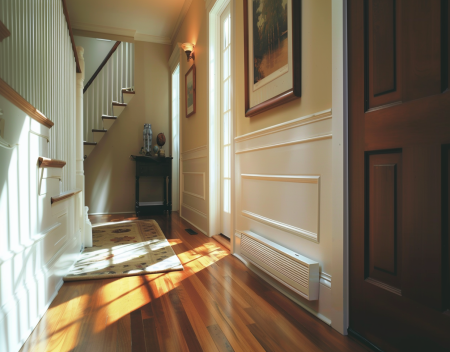
We're trying to go all-electric/solar and reduce reliance on fossil fuels. We currently have an 11 year old propane tankless combi-boiler that supplies hot water and also circulates water through a hydronic baseboard heating system connected to a thermostat (starting to slowly fall apart). We also have Mitsubishi heat pump split units that we use as our primary heat source in the winter (the boiler is more to keep the house above a minimum temperature to protect the pipes). These are in great condition.
Given our goal, I was thinking of installing an electric heat pump water heater to provide hot water for faucets, shower, wash, etc.. Because that wouldn't serve as a boiler, we would not be supplying any hot water circulation for the baseboards, and just rely on the splits for heating the house. When reading the documentation, it seems that they can perform at capacity when well under minimum temperatures we experience here in the winter.
My question are, is it ok to do this, and what problems might I run into?
Additional details:.
The house is 1300 sqft with OK insulation, but we'll be sealing and insulating any gaps/thermal bridges.
Question from user Kristoph Matthews at stackexchange.
Answer:
Not that it really matters to this answer, but I heat entirely with mini-splits in a climate that gets to -15F (actual with the heat pumps installed and working fine - though sucking a lot of power to do it) or -20°F ("zone-wise," and I've seen it, but not when the mini-splits were installed nor indeed for over a decade at this point. My mini-splits are rated to -15F - last I knew, if you need to go colder you need to look to ground-source heat pumps. And if we had that more than we usually do, they might be worth looking at harder for more efficiency in those conditions, due to the steady 50°F or so input temperature they give. But ground-source wells are expensive.
If you'll be leaving the boiler system idle, you either want to blow the pipes out so they are dry, or fill with an antifreeze solution, since baseboard radiator pipes tend to be located near or in the outside walls and are not always terribly well insulated. With regular heating load this is not a problem, but when sitting idle they are prone to freeze up (a common problem for woodstove users in cold weather.).
The heat for water heating (in freezing climates) with the more affordable hybrid heat pump water heaters comes from the heat in the house, so the heating heat pumps will be working harder to keep the house warm while the water heater makes water hot and the house colder. Those units generally have a minimum intake temperature of 37°F or so.
If you are looking at one of the far more expensive outside (sub-freezing for part of the year) air to hot water units, that problem goes away, but at that point having wells drilled or soil loops installed for ground source heat pump water (and house) heating makes a lot of sense, unless the prices have come way, way, down since I last looked for them.
Answer from user Ecnerwal at stackexchange.
We're trying to go all-electric/solar and reduce reliance on fossil fuels. We currently have an 11 year old propane tankless combi-boiler that supplies hot water and also circulates water through a hydronic baseboard heating system connected to a thermostat (starting to slowly fall apart). We also have Mitsubishi heat pump split units that we use as our primary heat source in the winter (the boiler is more to keep the house above a minimum temperature to protect the pipes). These are in great condition.
Given our goal, I was thinking of installing an electric heat pump water heater to provide hot water for faucets, shower, wash, etc.. Because that wouldn't serve as a boiler, we would not be supplying any hot water circulation for the baseboards, and just rely on the splits for heating the house. When reading the documentation, it seems that they can perform at capacity when well under minimum temperatures we experience here in the winter.
My question are, is it ok to do this, and what problems might I run into?
Additional details:.
The house is 1300 sqft with OK insulation, but we'll be sealing and insulating any gaps/thermal bridges.
Question from user Kristoph Matthews at stackexchange.
Answer:
Not that it really matters to this answer, but I heat entirely with mini-splits in a climate that gets to -15F (actual with the heat pumps installed and working fine - though sucking a lot of power to do it) or -20°F ("zone-wise," and I've seen it, but not when the mini-splits were installed nor indeed for over a decade at this point. My mini-splits are rated to -15F - last I knew, if you need to go colder you need to look to ground-source heat pumps. And if we had that more than we usually do, they might be worth looking at harder for more efficiency in those conditions, due to the steady 50°F or so input temperature they give. But ground-source wells are expensive.
If you'll be leaving the boiler system idle, you either want to blow the pipes out so they are dry, or fill with an antifreeze solution, since baseboard radiator pipes tend to be located near or in the outside walls and are not always terribly well insulated. With regular heating load this is not a problem, but when sitting idle they are prone to freeze up (a common problem for woodstove users in cold weather.).
The heat for water heating (in freezing climates) with the more affordable hybrid heat pump water heaters comes from the heat in the house, so the heating heat pumps will be working harder to keep the house warm while the water heater makes water hot and the house colder. Those units generally have a minimum intake temperature of 37°F or so.
If you are looking at one of the far more expensive outside (sub-freezing for part of the year) air to hot water units, that problem goes away, but at that point having wells drilled or soil loops installed for ground source heat pump water (and house) heating makes a lot of sense, unless the prices have come way, way, down since I last looked for them.
Answer from user Ecnerwal at stackexchange.